
Services
Bridges
We replace missing teeth with custom dental bridges that restore your smile and bite, with financing through Sunbit and CareCredit.

Why choose us
Benefits of Bridges
Fill the Gap
A bridge replaces one or more missing teeth so your smile looks complete again.
Chew More Comfortably
Restoring missing teeth can make it easier to bite and chew the foods you enjoy.
Keep Teeth Aligned
Filling the space helps keep neighboring teeth from shifting out of place.
Calmer Visits
We offer sedation dentistry for patients who feel anxious about dental care.
Flexible Payment Options
We accept most dental insurance plans, Medicaid, and self-pay, and offer financing through Sunbit and CareCredit.
When a single tooth goes missing, the teeth on either side often begin to drift into the open space, and the tooth above or below it can shift as well. Over time, that movement can change how you bite, chew, and even smile. A dental bridge fills that gap by anchoring a replacement tooth to the healthy teeth next to it. At Anytime Dental – Queen Creek, our team regularly helps patients restore their smiles this way, and we take time to explain exactly how it works before any treatment begins.
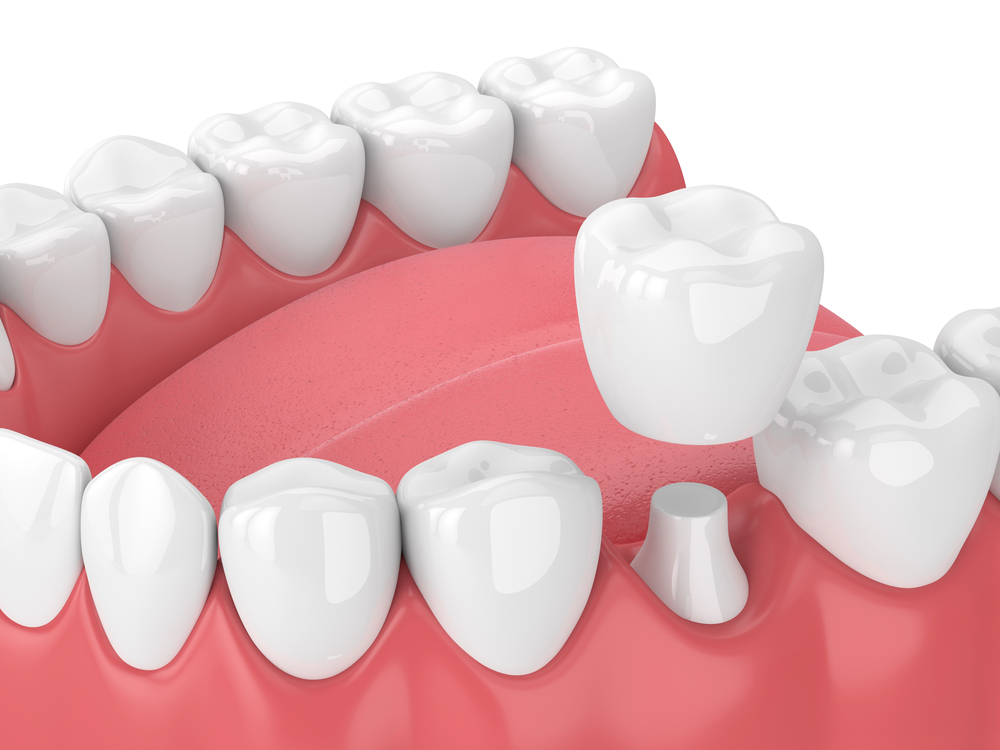
A bridge is a fixed restoration, which means it stays in your mouth and isn't removed at night like a denture. It typically consists of one or more artificial teeth, called pontics, held in place by crowns that fit over the natural teeth on either side of the gap. Those supporting teeth are known as abutment teeth, and they carry the bridge much like pillars support a span over a river.
Bridges help a wide range of people. For example, a patient may have lost a tooth to decay, lost a back tooth after an extraction, or have a gap left by an old injury. Because a bridge relies on neighboring teeth for support, it tends to fit well when the teeth around the space are strong enough to hold a crown. Our general dentists, Dr. Jordan Karren, Dr. Adam Borgia, and Dr. Clark Larson, evaluate each situation individually to see whether a bridge is the right fit.
Before recommending a bridge, we start with a thorough dental exam to look at the health of the surrounding teeth and gums. If there are signs of gum disease or decay, we address those first, since a bridge needs a healthy foundation. We also talk through your goals, whether you're most concerned about chewing comfortably, keeping your other teeth from shifting, or simply closing a visible gap.
Some patients compare a bridge with other ways to replace teeth. We also offer dental implants, as well as partial and complete dentures, so we can walk you through how each option works and help you weigh what matters most to you. In some cases, the best plan might combine treatments. Our goal is to give you clear information so you can make a confident decision.
Is getting a bridge uncomfortable?
Most patients find the process manageable, and we focus on keeping you comfortable at every step. Preparing the abutment teeth involves reshaping them so the crowns can fit securely, and we numb the area so you can relax while we work.
If dental visits make you anxious, you're not alone, and you don't have to push through it. Our office offers sedation dentistry, including oral sedation, for patients with dental anxiety. Let us know about your concerns ahead of time, and we'll discuss whether sedation could make your appointment easier.
How do I care for a bridge once it's in place?
You care for a bridge much like your natural teeth, with a few added habits. Because the pontic sits just above the gumline, food and plaque can collect underneath it, so cleaning that space is especially important.
Here are some practical habits we recommend:
- Brush twice a day, paying close attention to where the bridge meets your gums
- Clean under the pontic daily with floss or a floss threader
- Keep up with regular cleanings and exams so we can check the bridge and supporting teeth
- Let us know if anything feels loose, uneven, or sensitive
Healthy abutment teeth are what keep a bridge stable, so protecting them protects your restoration. Our dental hygienists can show you techniques for cleaning around your bridge during your routine visits, and we'll keep an eye on the area at each appointment.
How can I pay for a dental bridge?
We work to make treatment accessible, and we accept most dental insurance plans as well as Medicaid. Coverage for bridges varies from plan to plan, so our team can help you understand your benefits before treatment begins.
We also welcome self-pay patients. If you'd like to spread out the cost, we offer financing through Sunbit and CareCredit, which can help you move forward with care without waiting. Just ask our front desk team, and we'll go over your options with you.
Where can I get a dental bridge near Queen Creek?
You can get a bridge right here at our office, located in the heart of Queen Creek, AZ. We serve families throughout Queen Creek and San Tan Valley, and we see patients of every age, from toddlers to grandparents, so your whole household can receive care in one familiar place.
If a missing tooth has been on your mind, we'd love to help you explore your options. Reach out to schedule a visit with our team, and we'll take a close look, answer your questions, and help you plan the next step toward a complete, comfortable smile.
The process
What to expect
- 1
Exam and Consultation
We examine your teeth and talk through whether a bridge is the right tooth replacement option for you.
- 2
Preparing Your Bridge
Our team prepares the supporting teeth and places your bridge to fill the gap.
- 3
Ongoing Care
Regular exams and cleanings with our hygienist help keep your bridge and the surrounding teeth healthy.
Questions
Bridges FAQs
Will my insurance help pay for a dental bridge?
We accept most dental insurance plans, as well as Medicaid, and our team can help you understand what your plan may cover for a bridge. Coverage varies from plan to plan, so we're happy to review your benefits with you before treatment begins. If you're paying on your own, we also welcome self-pay patients and offer financing through Sunbit and CareCredit.
Does getting a bridge hurt?
Most patients are surprised by how comfortable getting a bridge can be, since we numb the area before we prepare the supporting teeth. If dental visits make you anxious, we also offer oral sedation to help you feel more relaxed in the chair. Our goal is for every visit to feel calm and comfortable, from the first appointment to the last.
How long does it take to get a dental bridge?
A bridge usually takes more than one visit, because the bridge is custom-made to fit your smile. At your first appointment, we prepare the teeth that will support it. When your bridge is ready, we check the fit and bite before securing it in place.
How long will my bridge last?
With good care, a bridge can serve you well for many years, though how long it lasts varies from person to person. Brushing, flossing carefully around and under the bridge, and keeping up with regular exams and cleanings all help protect it and the teeth that support it. Our hygienists can show you easy ways to clean around your bridge at home.
Is a bridge my only option for replacing a missing tooth?
A bridge is one of several tooth replacement options we offer, along with dental implants and partial or complete dentures. The right choice depends on the health of your nearby teeth and gums, how many teeth are missing, and your personal preferences. At your visit, one of our dentists, Dr. Jordan Karren, Dr. Adam Borgia, or Dr. Clark Larson, can walk you through your options and help you decide what fits your smile best.